Outdoor Space Evolving into Year-Round Living Environments
Today’s poolscapes are redefining luxury living by merging architecture, nature, and technology into outdoor experiences that function beautifully in every season. In this on-demand panel presented by Luxury Pools + Outdoor Living and Ocean Home magazines, leaders in outdoor architecture, pool engineering, and landscape design reveal the strategies driving today’s most advanced year-round living spaces.
Four-Season Poolside Living
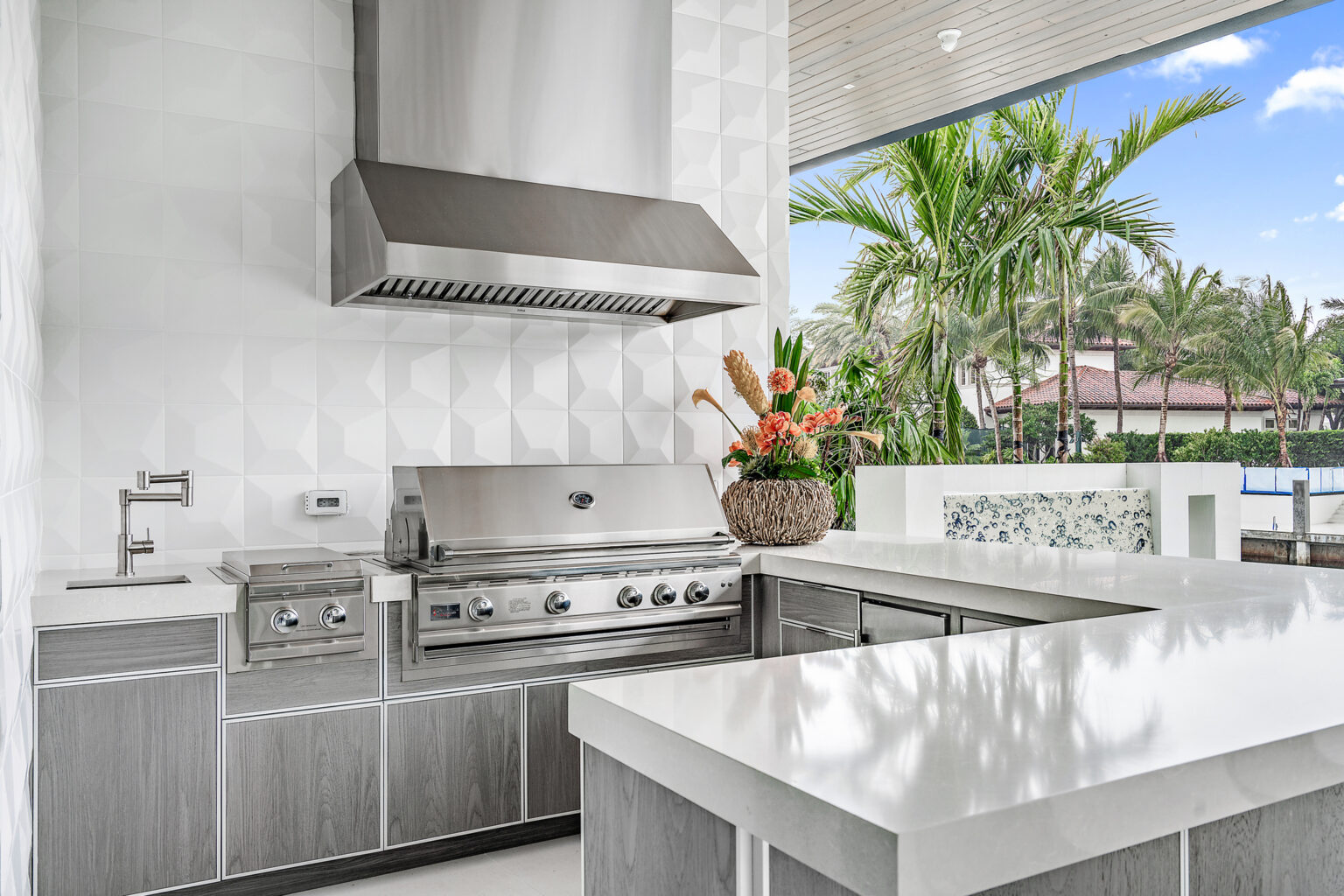
Outdoor living designers and architects across the country are reimagining the role of the pool in the residential landscape. What once served as a warm-weather amenity is now a highly engineered, horticulturally driven, and architecturally integrated destination meant to be enjoyed year-round. Homeowners no longer see the pool as a summer centerpiece, but as part of a larger network of outdoor rooms—places for gathering, wellness, entertainment, dining, and quiet retreat.
This shift has been accelerated by innovation, including smarter structures, better materials, climate-responsive design, and a growing appreciation for restorative outdoor living. As more people spend time at home, they want their outdoor environments to offer the same comfort, flexibility, and beauty they enjoy indoors—without seasonal limitations.
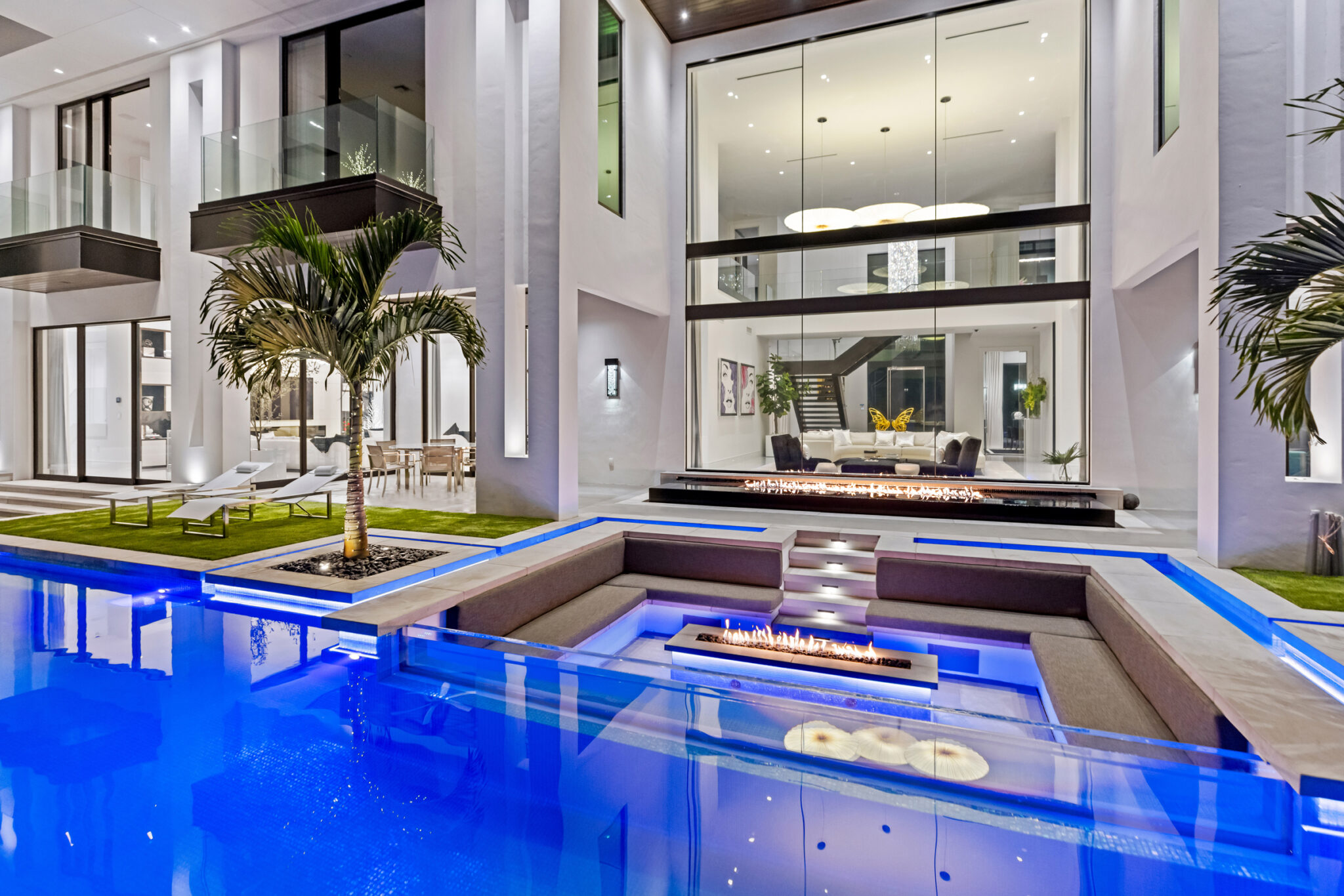 The focus has widened beyond the water itself. Today’s luxury pool environments consider microclimates, plant life, sun angles, wind patterns, sound, privacy, architectural alignment, and wellness rituals. The result is an outdoor experience that remains inviting and functional throughout the year.
Design Integration That Extends the Home’s Architecture Outdoors
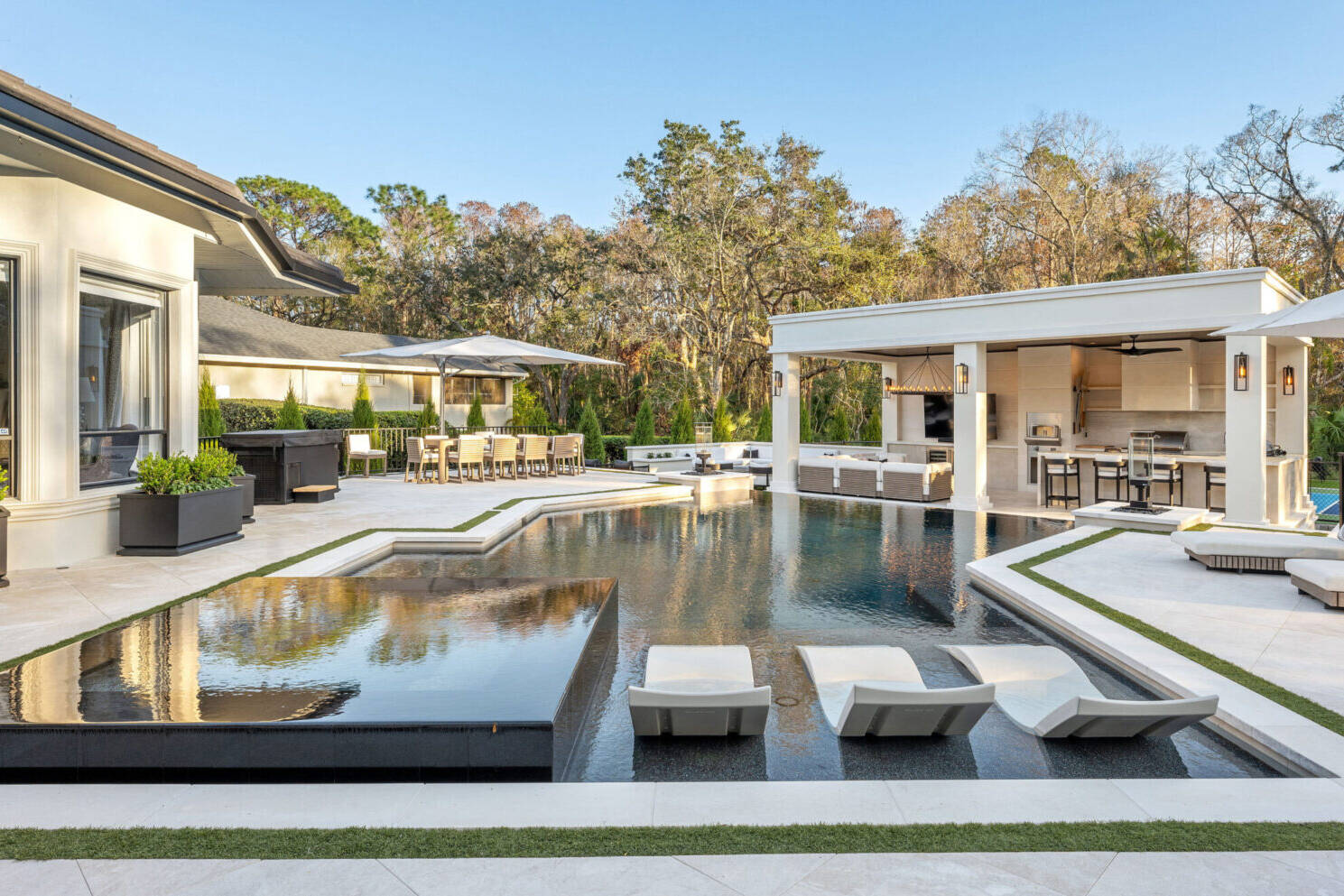
A defining characteristic of modern pool design is its integration with the home’s architecture. Aligning sightlines, matching floor elevations, coordinating materials, and integrating structural elements create a seamless flow from interior to exterior.
This level of cohesion requires early collaboration and coordination. When architects, landscape architects, and builders plan together from the outset, mechanical systems can be concealed inside structural walls or terraces, drainage can be managed without visible infrastructure, and the entire pool court can be shaped to complement the home’s proportions.
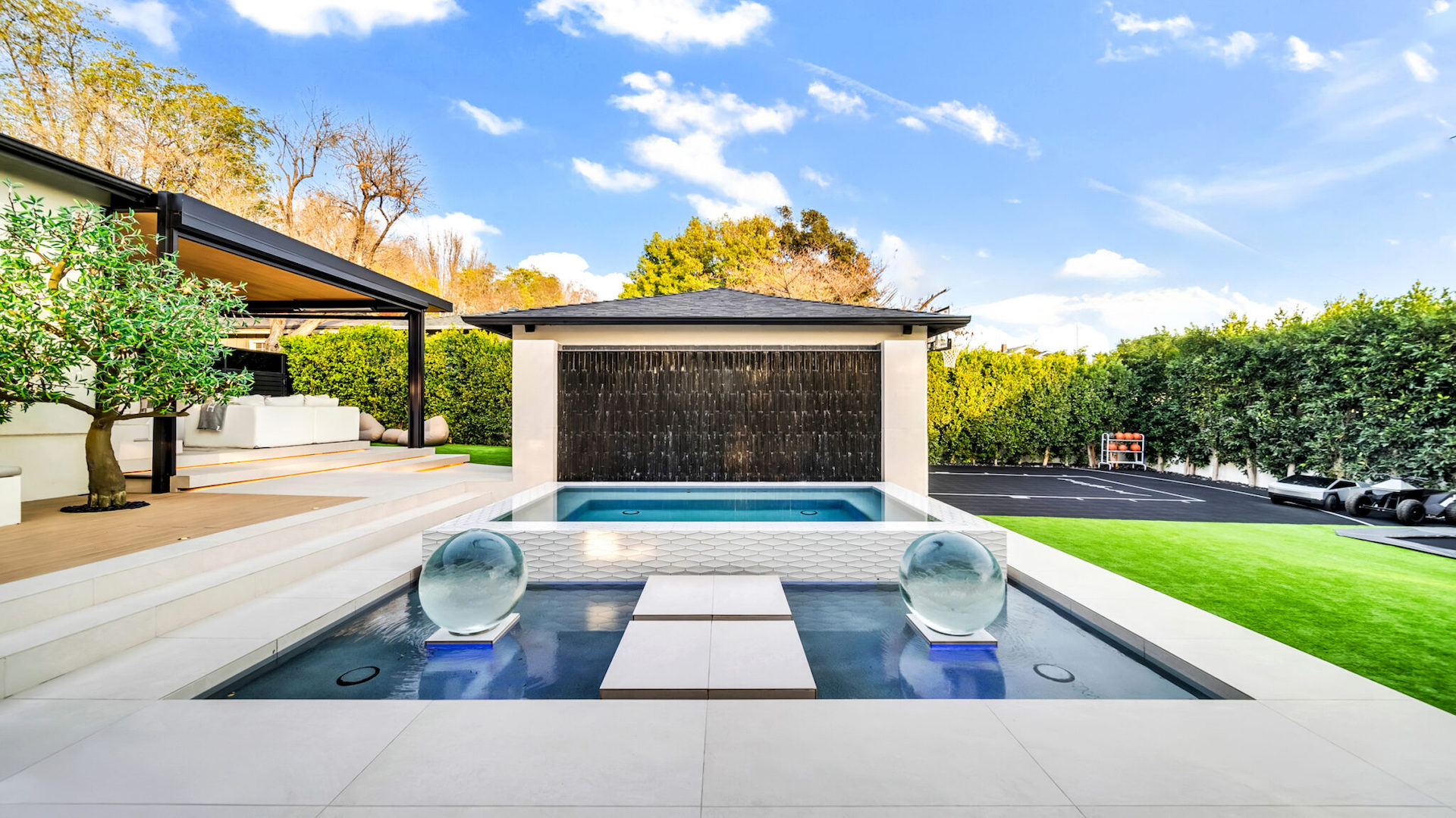
The result isn’t just visual continuity. Functional performance improves as well—particularly in coastal, mountain, or desert climates where wind, sun, salt, and seasonal weather changes require thoughtful planning. Integrated overhangs, shade structures, and strategically positioned plantings help control microclimates and extend comfort well beyond the end of summer.
Nick Fuentes, CEO and founder of Westmod, shares that louvered structures have become particularly influential in this shift. These programmable architectural elements enable homeowners to fine-tune light, airflow, and shelter throughout the year. By responding to changing weather conditions, they transform terraces and pavilions into adaptable living spaces that maintain comfort in various climates. With the addition of heaters, fans, screens, and integrated lighting, they function as true outdoor rooms—supporting everything from poolside dining to evening entertainment, even during cooler seasons.
The Rise of Fully Enclosed Poolhouses
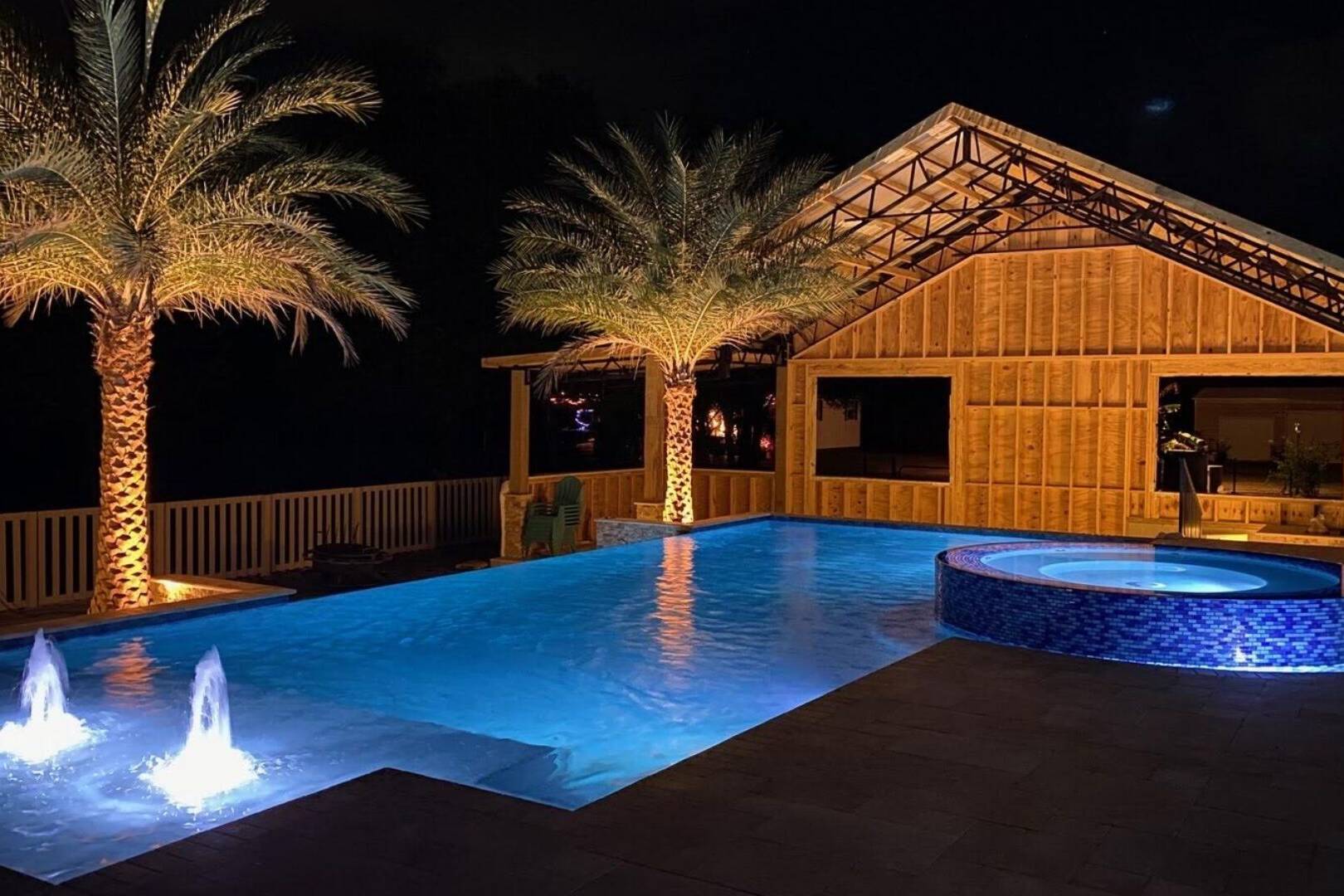
Building on this momentum, one of the strongest emerging trends is the fully enclosed, four-season poolhouse—an architectural structure that functions as a complete extension of the home. No longer simple summer shelters, today’s poolhouses are insulated, climate-controlled, and thoughtfully programmed for year-round use.
Expansive glass walls maintain a strong visual connection to the pool while creating a protected interior wrapped in comfort. Temperature-control systems, dehumidification solutions, and durable materials allow these structures to serve as lounges, kitchens, gyms, spa suites, entertainment rooms, or guest accommodations.
This trend reflects a meaningful lifestyle shift. As Ryan Hughes, president and creative director of Ryan Hughes Design, explains, “The fully enclosed poolhouse has become the new anchor of the outdoor environment. It brings architecture, landscape, and lifestyle together in a way that lets clients enjoy their pool with comfort and intention every single day of the year.”
More than a shelter, the enclosed poolhouse is becoming a defining architectural feature—balancing the pool composition, orienting circulation, and elevating the entire outdoor experience.
Nature-Integrated Design and the Rise of Horticentric Pool Environments
One of the most significant evolutions in luxury outdoor living is the growing shift toward plant-centered design. Instead of using vegetation as a decorative fringe, landscape architects and designers are now embracing what Nick Fobes PLA, partner at Hoerr Schaudt, identifies as a Horticentric Design approach — one that places horticulture and plant performance at the center of spatial decision-making. “We position plants as essential architectural elements,” Fobes explains, noting that their role in shaping experience, comfort, and microclimate is foundational rather than ornamental.
This approach is reinforced by what Fobes defines as a “choose green over gray” mindset, which encourages a reduction in unnecessary hardscape. By replacing excess paving with layered planting beds, permeable surfaces, and natural materials, outdoor spaces feel softer, more inviting, and more environmentally responsible. Shade trees, shrubs, grasses, and native plant palettes help manage heat, filter stormwater, and create privacy without relying solely on built structures—illustrating how horticulture can perform the same spatial and functional roles as architecture when applied with intention and craft.
Toward a Fully Connected Outdoor Living Experience
The most luxurious pool environments are those that seamlessly integrate architecture, landscape, technology, and wellness. They function not as seasonal amenities, but as multi-sensory environments designed to enrich everyday life.
Pools connect to dining terraces, fire features, and pavilions in one unified sequence. Plantings frame views and create natural boundaries. Adaptive structures enable spaces to adjust to weather conditions in real-time. Lighting and water bring movement and warmth to evening gatherings. And technology ensures the environment remains easy to use, no matter the season.
This is the new standard for luxury outdoor living: cohesive, horticentric, connected, and comfortable every month of the year.
Source: LuxuryPools